The North Pole, a mysterious and fascinating place, arouses the curiosity of many explorers and geography enthusiasts. But where exactly is this crucial geographical point for our planet located? We will explore in detail the location of the North Pole and the particularities of this unique region.
The Geographical North Pole
The geographical North Pole is the northernmost point on planet Earth. It is located at the center of the Arctic Ocean, surrounded by ice and frozen seawater. Unlike the South Pole, which is situated on a continent, the North Pole is not fixed, and its position can vary due to the drift of the ice.
- The Magnetic North Pole: One should not confuse the geographical North Pole with the magnetic North Pole, which is the point towards which a compass needle points. The magnetic North Pole is not fixed either and slowly moves over time.
- The Geography of the North Pole: Due to its extreme position, the North Pole experiences very harsh climatic conditions, with freezing temperatures and total darkness for part of the year. It is a hostile yet beautiful environment, where only the most intrepid dare to venture.
Expeditions to the North Pole
For centuries, the exploration of the North Pole has fascinated adventurers in search of challenges and discoveries. Nowadays, scientific and tourist expeditions are organized to allow people from around the world to discover this unique place.
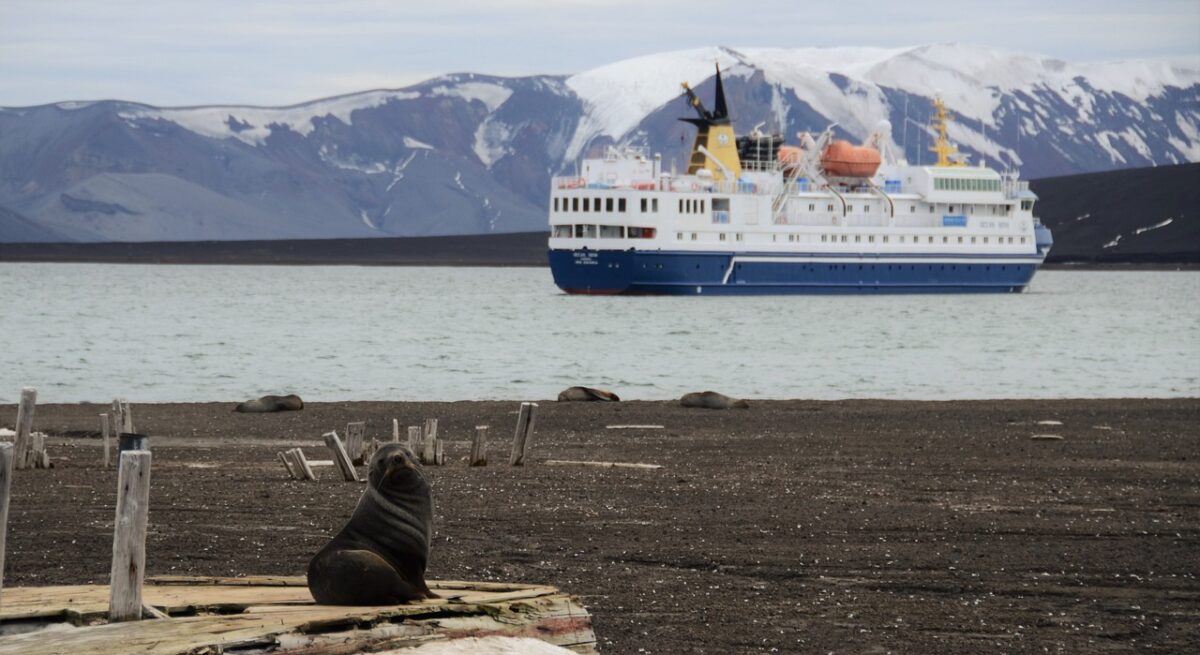
- Cruises to the North Pole: If you dream of an unforgettable adventure, why not embark on an Antarctic cruise? This exceptional experience will allow you to navigate among icebergs and the breathtaking landscapes of Antarctica.
- The Challenges of the Arctic: Explorers who set out to conquer the North Pole must face extreme conditions, with snowstorms, crevasses, and freezing temperatures. Only the most prepared and courageous can hope to reach this mythical point.
Protecting the Arctic
The North Pole and the Arctic as a whole are fragile regions threatened by climate change and melting ice. It is crucial to take measures to protect this unique ecosystem and the species that inhabit it.
- Saving the Arctic: International initiatives are being put in place to preserve the Arctic, such as the creation of nature reserves and the limitation of natural resource exploitation. It is essential to raise public awareness about the importance of protecting this crucial region for the balance of our planet.
- Environmental Issues: The melting of Arctic ice has dramatic consequences for the global climate, with rising sea levels and disruptions to marine ecosystems. Urgent action is needed to limit the effects of global warming and preserve the biodiversity of this unique region.
The North Pole is much more than just a point on a map. It is a symbol of our complex relationship with nature and our responsibility to protect the fragile ecosystems of our planet. By exploring and preserving the North Pole, we can better understand the challenges we face and act for a more sustainable future for all.