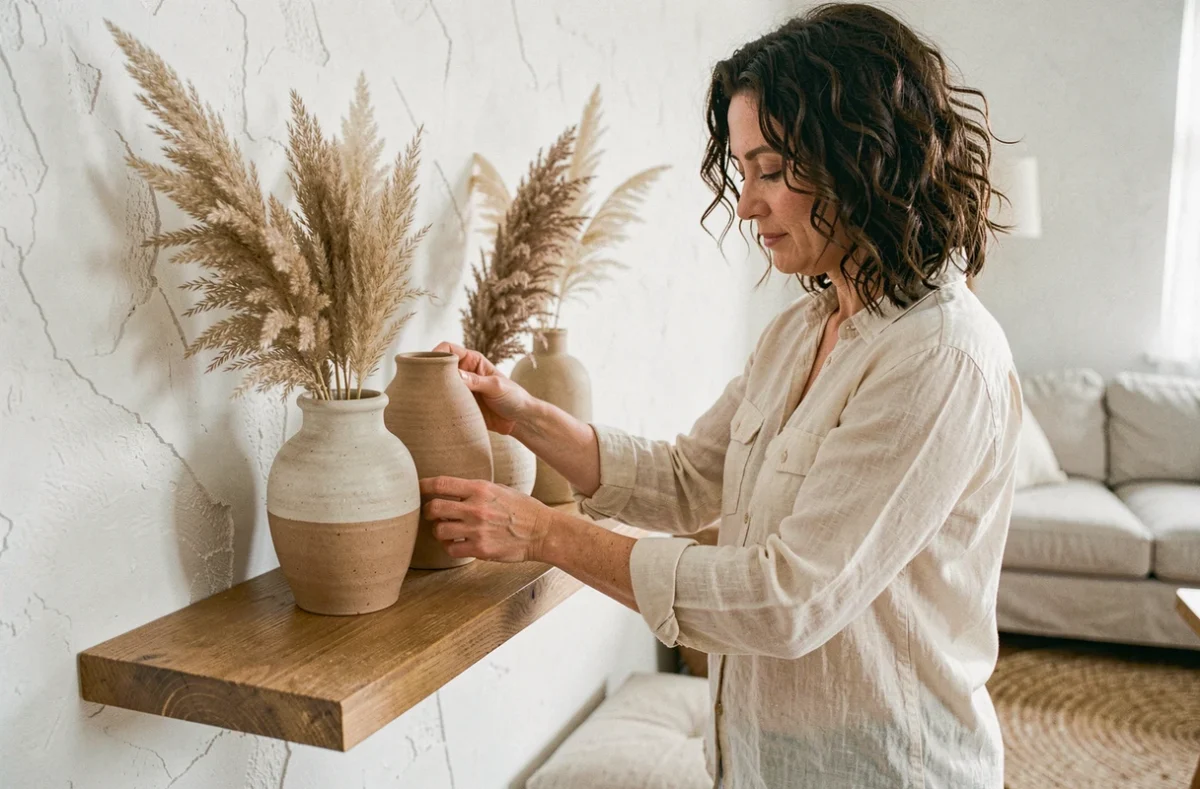
Personalized decor refers to the choice of furniture, coverings, and objects selected or designed to reflect the actual uses of a home, rather than just a current aesthetic trend. Transforming your interior with personalized decor requires understanding a few concrete mechanisms: the durability of materials, the recycling channels that are being structured in France, and the criteria that distinguish a sustainable decorative purchase from a disposable one.
Reuse of furniture: a sector that is changing personalized decor
The reuse of furniture is no longer limited to Sunday flea markets. Since the establishment of the 2024-2029 specifications for the REP furniture sector, eco-organizations such as Ecomaison, Valdelia, and Valobat are organizing repair, reuse, and large-scale recycling. For those looking to personalize their interior with second-hand furniture, this structuring changes the game.
In concrete terms, a piece of furniture found in a recycling center affiliated with these sectors is now traceable. Its origin, condition, and often the nature of its materials are known. This level of information allows for the integration of an antique dresser or an industrial shelf into a decor project without unpleasant surprises regarding quality.
Before buying a new mass-produced piece of furniture, it is worth checking what these channels offer. One can thus discover the decor universe of Créa Décor to compare available styles, while keeping in mind that reuse offers unique pieces that no catalog can replicate.
Disassemblability and lifecycle: choosing a personalized piece of furniture that lasts
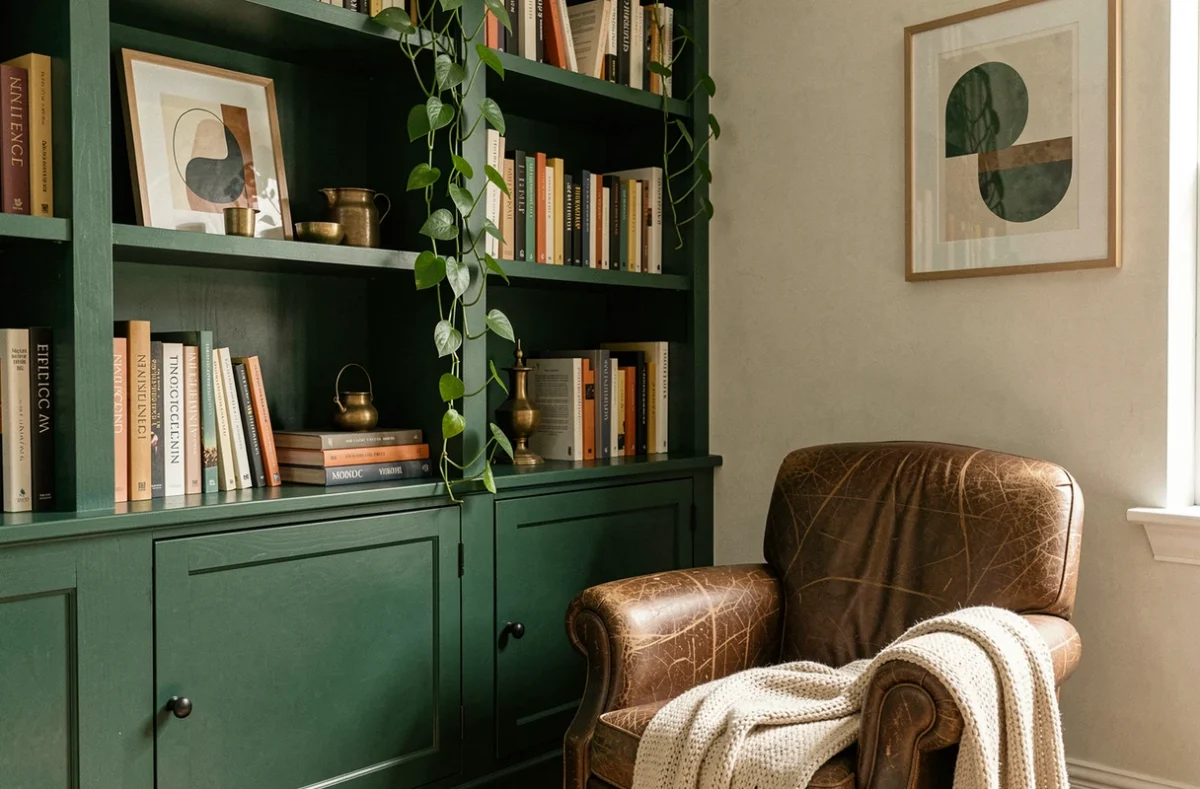
A personalized piece of furniture only has long-term decorative value if it can evolve with the interior. The changes related to the PEMD diagnosis are pushing manufacturers and artisans to better identify the assemblies, materials, and their potential for reuse. A disassemblable piece of furniture (modular partition, interlocking shelf, screw-extension table) can be reconfigured when the room changes function.
Disassemblability becomes a decorative choice criterion, not just a technical one. A buffet whose elements can be separated can move from the living room to the guest room, change finish, or be resold in parts. In contrast, a glued and stapled piece of furniture ends up in the dump as soon as the style becomes tiresome.
What the European ESPR regulation will change
The ESPR regulation gradually provides for a digital passport for certain products, including furniture. This document will detail the composition, reparability, and recyclability of each piece. For interior decoration, this means that future purchases will come with verifiable lifecycle information.
This is not yet widespread, but the trend is clear: documenting the lifespan of a piece of furniture is part of the decor project. Choosing an armchair whose wood origin, foam type, and fabric changeability are known is already a more thoughtful way to personalize your interior.
Colors and materials: personalizing the ambiance without a complete overhaul
Color palettes evolve, but the personalization mechanism remains the same: start from the most used living spaces and choose a dominant shade that structures the space. Earthy tones (clay, ochre, rosy brown) remain present in current trends because they easily pair with natural materials like linen, raw wood, or terracotta.
Color personalization works best when it is targeted. Painting a single accent wall in a living room creates a more pronounced effect than repainting four walls in a medium hue. A colorful textile (curtain, cushion, throw) allows testing an ambiance without a definitive commitment.
- An accent wall in a saturated shade visually structures the room and guides the eye towards a piece of furniture or decorative object.
- Raw materials (wrinkled linen, boucle wool, artisanal ceramics) add texture without overwhelming the space and age better than smooth synthetic finishes.
- The matte/glossy contrast on the same piece of furniture or between two nearby objects creates depth, even in a small space.

Avoiding the total look
An entirely coordinated interior (same shade, same material, same era) produces a catalog effect. A controlled mismatch between styles gives character to a room. A 1970s armchair with a contemporary lamp, a solid oak table paired with metal chairs: these combinations tell something personal.
Decorative objects and craftsmanship: personality comes through detail
Handmade decorative objects or those from local craftsmanship bring a dimension that industrial production cannot replicate. A hand-turned pottery piece, a light fixture made from woven fibers, or a mirror framed by a local cabinetmaker become focal points in a room.
A handcrafted object carries the marks of its making, making it unique. This uniqueness is the very foundation of personalized decor: two interiors do not look alike if the objects that compose them exist in only one copy.
The trap would be to accumulate. Three well-chosen and well-placed objects have more impact than a shelf overloaded with knick-knacks. The practical rule:
- Choose one main object per visual zone (mantelpiece, entrance console, coffee table).
- Vary heights and materials among objects in the same zone to avoid monotony.
- Leave empty space around each piece so it can breathe and attract the eye.
Transforming an interior with personalized decor does not rely on a high budget or blind adherence to trends. It is based on concrete choices: a reused piece of furniture rather than a disposable one, a material that ages well, a handcrafted object that tells a story. The reuse sectors and lifecycle requirements make these choices more accessible and traceable than they were a few years ago.