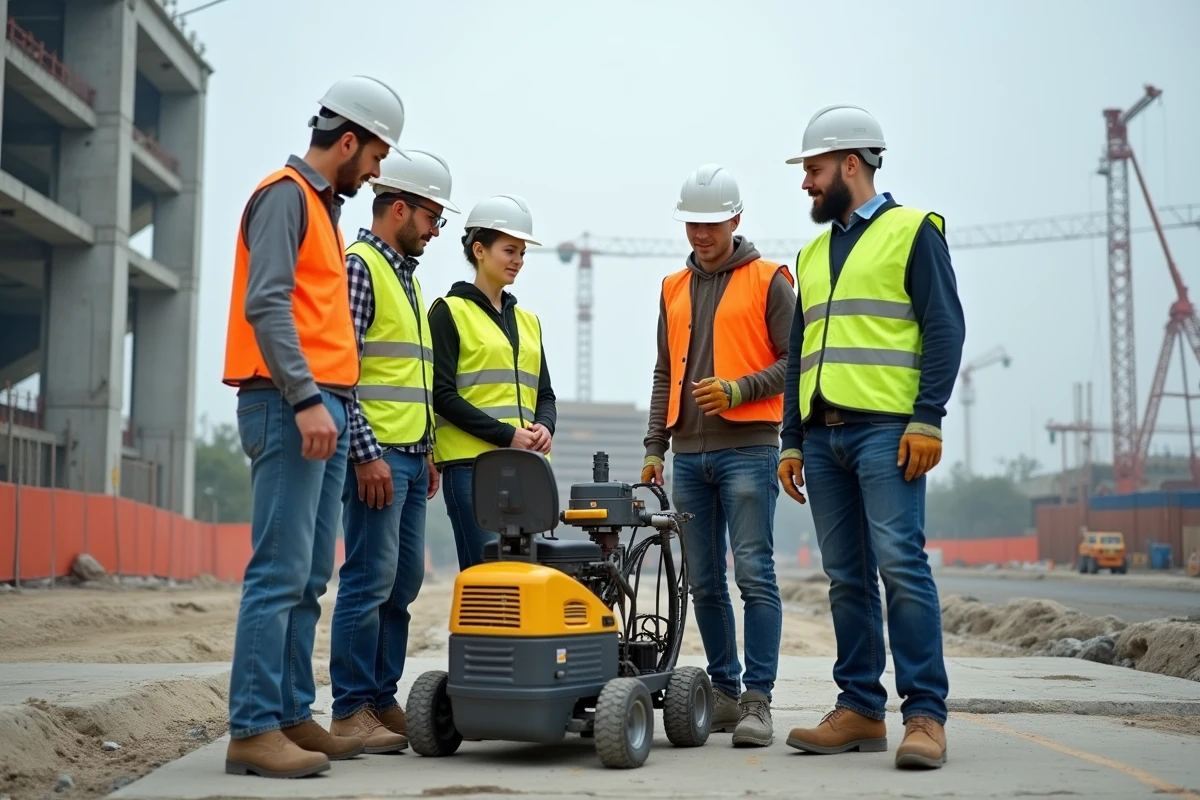
The systematic use of lifting platforms reduces the time spent on tasks at height by 30%, according to statistics from the French Federation of Construction. However, the adoption of connected devices remains below 45% on construction sites in France.
The proliferation of multifunctional equipment reshuffles the cards on construction sites, while the arrival of automated systems forces a reevaluation of logistical organization. Purely technical skills are no longer sufficient: it is now necessary to know how to integrate, understand, and quickly exploit the innovations made available.
Overview of Essential Equipment on Construction Sites in 2024
The construction sector is undergoing a profound transformation: companies must adapt to tools and equipment designed to accelerate, ensure reliability, and secure all stages of work, from structural work to finishing. This evolution reconfigures the organization of construction sites, with concrete impacts:
- better resource management,
- reduction of accidents,
- increased productivity.
Smart PPE is becoming a permanent fixture in the daily lives of teams: connected helmets, motion-detecting vests, and exposure sensors are becoming the norm. Alongside them, robust machines designed to integrate IoT are transforming maintenance and logistics on site. Multifunctional tools, designed to withstand harsh conditions, make the investment profitable in the long term.
To successfully complete a construction or renovation project, it is essential to select equipment that meets current demands. Here, for example, is what the equipment on the ARTS Constructions site offers:
- portable power tools,
- solutions for ecological transition,
- secure storage devices,
All aspects are designed to combine efficiency, safety, and compliance. But the situation is constantly evolving: it is necessary to monitor the evolution of needs, align with new regulations, and adjust the equipment fleet accordingly, or risk falling behind as soon as the site opens.
What Innovations Are Transforming Team Organization and Safety?
Digitalization is no longer an option in the construction sector. Project management platforms have become the backbone of coordination: they help distribute tasks, manage schedules, track deadlines, and streamline information exchanges among all stakeholders. This shift comes with concrete advantages:
- increased site productivity,
- a decrease in errors,
- enhanced responsiveness to unforeseen events.
Safety is a concern at all levels. Connected devices, incorporating IoT technologies, allow for real-time monitoring of:
- team locations,
- access control,
- automatic alerts in case of incidents or exposure to hazardous substances.
Smart PPE, whether helmets, harnesses, or vests, continuously analyze movements and identify dangerous situations. Certified according to ISO standards, these advancements place prevention at the center of action.
Automated management of human resources on site optimizes the distribution of skills and workload. Document traceability tools ensure operational compliance, meeting the growing expectations of construction professionals and construction companies. Centralizing data and anticipating risks through predictive analysis: this is how the quality of work and safety are rethought for each project.

Practical Tips for Selecting and Effectively Integrating Your Tools on the Ground
The success of a construction site begins with a thoughtful selection of tools and equipment at each phase of the work. Before purchasing, several criteria must be scrutinized:
- the precise nature of the interventions to be carried out,
- the specifics and constraints of the site,
- the performance and safety objectives aimed for the project.
Professionals in the construction sector know how useful it is to invest in durable construction materials, designed to withstand intensive use and genuinely support productivity on the ground.
In the context of responsible renovation construction, it is also essential to turn to equipment compatible with energy renovation. Scrutinizing technical sheets, comparing the robustness of machines, anticipating their lifespan: these are all reflexes to adopt. The integration of IoT technologies allows, for example, monitoring the condition of equipment, organizing maintenance at the right time, and minimizing site downtime.
On-Site Integration: Some Concrete Levers
To make the most of each tool, certain approaches make a difference:
- Each stakeholder must be trained in the use of equipment: safety comes from mastery.
- On-site testing is recommended to validate that the equipment meets the actual constraints of the field.
- Maintenance should be planned, and the supply of parts anticipated: when a well-oiled logistics system takes over, the site progresses without interruption.
The French Federation of Construction (FFB) in Paris encourages companies to share their experiences to advance the entire sector. And in the face of ever-evolving regulations, vigilance is essential: staying informed about standards is a must to ensure the safety and compliance of each operation.
The construction site of tomorrow is being built today, with the right tools, informed decisions, and evolving practices. Those who can anticipate and adapt will write the next chapter of construction.