
A The North Face t-shirt costs two to three times more than a mass-market model. A waterproof jacket regularly exceeds 300 euros. Behind these prices, several cost mechanisms overlap: technical materials, chemical transition imposed by regulations, experiential retail, and the premiumization strategy embraced by the parent company VF Corp. This article breaks down these factors to measure what the consumer actually pays.
To understand why The North Face is expensive according to Free Sport, it is essential to distinguish what pertains to technical performance from what pertains to brand positioning. Both influence the final price, but not in the same proportions.
Cost of technical materials and PFC-free membranes
The materials segment represents a significant portion of The North Face product prices. The brand uses proprietary fabrics (FUTURELIGHT, DryVent) whose internal development incurs costs that licensed manufacturers do not have.
Since 2023, The North Face has initiated the transition to PFC-free membranes of type C0. This reformulation responds to the evolving European regulations on PFAS, these persistent fluorinated compounds that the European Union is gradually restricting. The shift to fluorine-free water-repellent treatments temporarily increases development and certification costs.
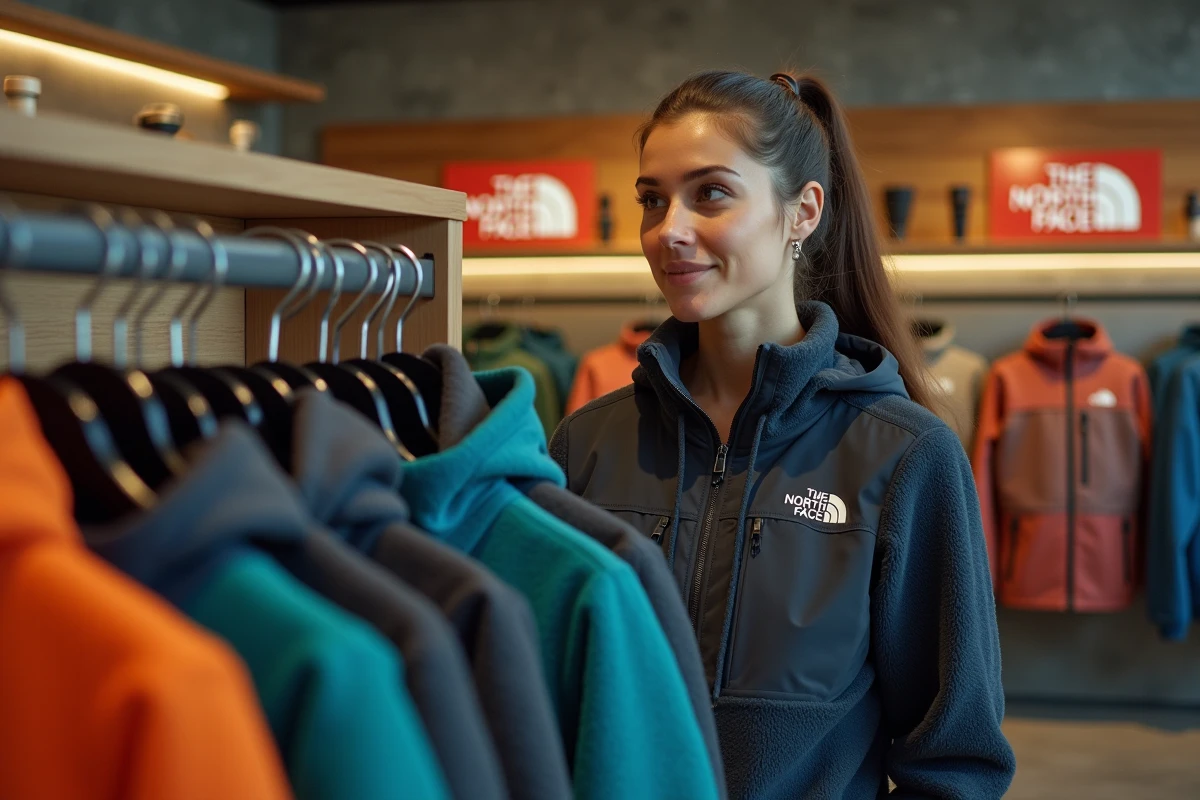
This regulatory constraint affects the entire outdoor sector, but brands that invest in their own membranes (rather than purchasing off-the-shelf Gore-Tex) absorb an additional R&D burden. The North Face is part of this category.
Price comparison: The North Face and competing outdoor brands
| Criterion | The North Face | Mid-range outdoor brands | Specialized technical brands |
|---|---|---|---|
| Price positioning | Premium mass-market | Accessible to intermediate | Technical premium |
| Proprietary membranes | Yes (FUTURELIGHT, DryVent) | Rarely (outsourcing) | Sometimes (Pertex Shield, etc.) |
| PFC-free transition engaged | Yes, since 2023 | Variable by brand | Often ahead |
| Own distribution network | Immersive flagship + e-commerce | Mainly resellers | Mix of resellers/direct |
| Fashion/luxury collaborations | Frequent (Gucci, Kaws, Brain Dead) | Rare or nonexistent | Rare |
This table highlights a key point: The North Face combines technical brand costs and lifestyle brand costs. Purely technical brands do not invest in streetwear collaborations. Lifestyle brands do not invest in membrane R&D. The North Face does both.
Premiumization strategy and limited collaborations
Since 2022, VF Corp has embraced an explicit premiumization strategy for The North Face. The upscale approach involves lifestyle collections (notably Urban Exploration) and limited-edition capsules with luxury or streetwear players.
Collaborations with Gucci, Brain Dead, or Kaws are not anecdotal in the pricing structure. These capsules function as high-margin marketing showcases. Their rarity maintains the brand’s desirability, allowing for higher prices on permanent lines.
In other words, when a consumer buys a classic Nuptse down jacket, a fraction of the price indirectly funds the image-building driven by these collaborations. This mechanism is common in accessible luxury but less frequent in traditional outdoor.
Experiential retail and The North Face distribution costs
The North Face invests heavily in a proprietary distribution network focused on customer experience. The flagship stores integrate:
- Immersive digital content designed to extend the time spent in-store and strengthen brand attachment
- Climbing walls and product testing areas that transform the point of sale into a practice venue
- A programming of community events (trail outings, repair workshops) that fosters local customer loyalty
These initiatives significantly increase fixed distribution costs. However, they allow the brand to control the end-to-end shopping experience and justify price levels that multi-brand channels would not support alone.
Stated sustainability and the real cost of ecological transition
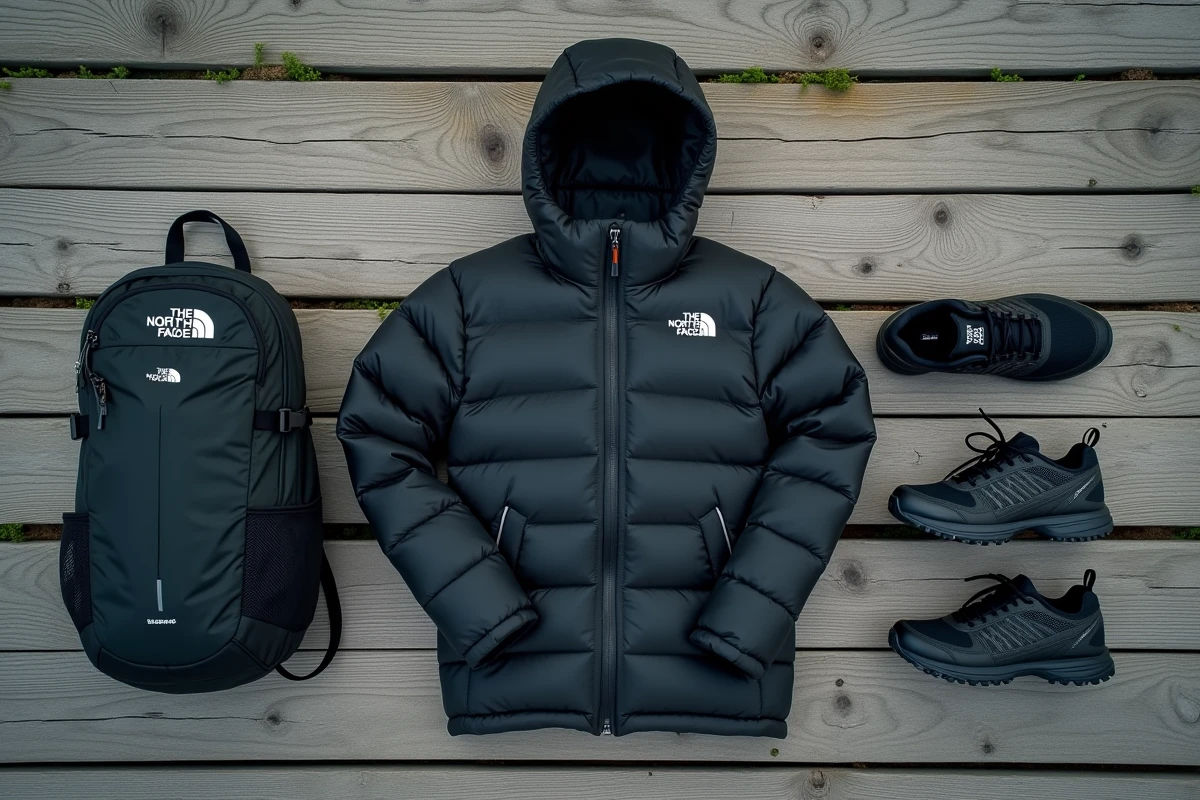
The North Face communicates about the sustainability of its products as a price argument. The announced longevity of jackets and outdoor equipment factors into the cost-per-use calculation that some consumers make before purchasing.
The transition to fluorine-free water-repellent treatments illustrates a concrete case where environmental constraints translate into additional costs. C0 formulations require more testing cycles to achieve water-repellent performance comparable to traditional fluorinated treatments. This additional cost is real but difficult to quantify precisely for the consumer.
One point deserves emphasis: sustainability alone does not justify the price gap with competing brands that adopt the same environmental standards. The residual gap comes from the marketing positioning and distribution network described above.
What The North Face consumer actually pays
The price of a The North Face product breaks down into distinct layers:
- The cost of materials and membrane R&D, comparable to that of other high-end technical brands
- The additional cost related to the PFC-free regulatory transition, shared by the entire sector but more visible among brands developing their own technologies
- The brand premium fueled by fashion collaborations and VF Corp’s premiumization strategy
- The distribution costs associated with experiential retail and the flagship store network
The consumer who seeks only outdoor technical performance will find alternatives at comparable or lower prices from specialized brands. Those who value the dual technical and lifestyle function pay a price consistent with The North Face’s hybrid positioning. The share of each component in the final price varies by range, but the brand premium remains the most elastic factor.