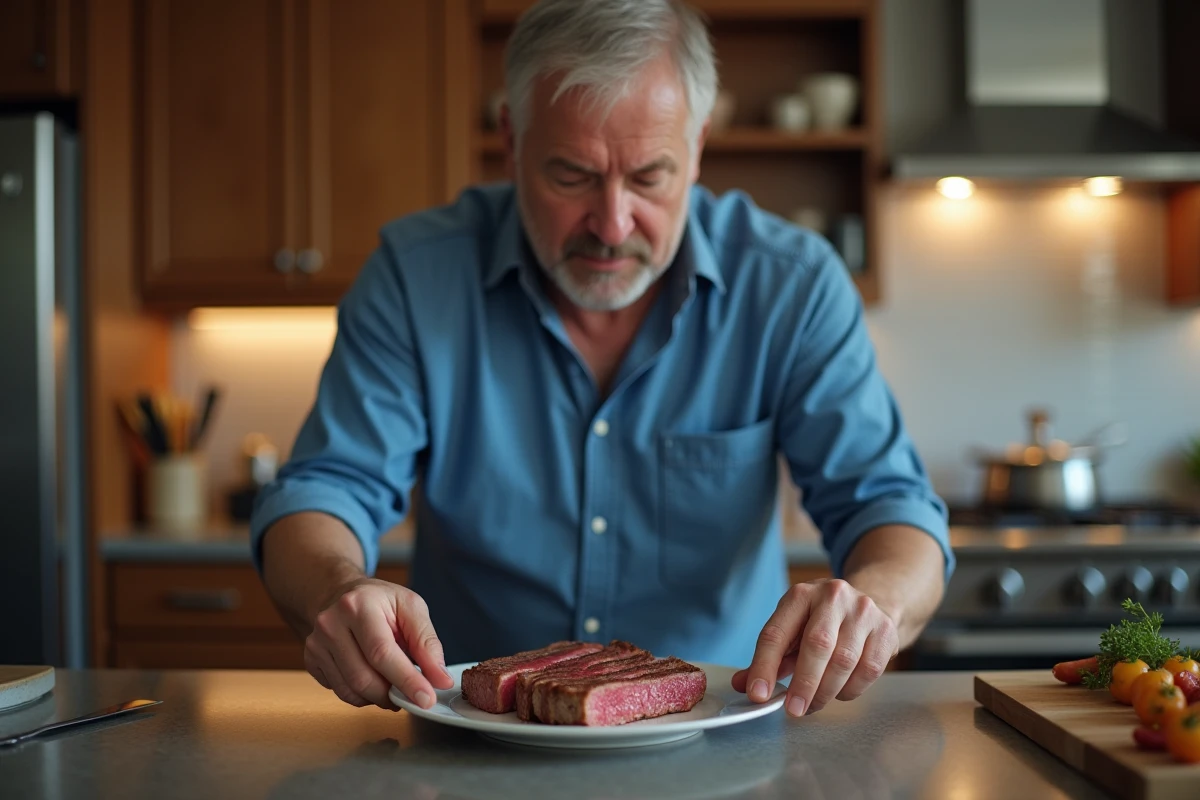
A perfectly seared steak, cooled and then reheated, too often turns into a dry and disappointing piece. However, a few precise actions are enough to prevent the fate of dried beef, ensuring a tender and flavorful ribeye every time.
We think we know all about classic kitchen utensils, but some discreet allies surpass expected methods. The slightest detail in choosing the time or temperature can sometimes make the difference between juicy meat and a lackluster bite.
Why ribeye dries out when reheated
Reheating a cooked ribeye presents a real challenge: the meat, having already undergone a first cooking, has its fibers tightened and its moisture on borrowed time. As soon as the heat strikes again, the water contained in the tissues evaporates, and the risk of a dry texture looms over every minute spent in the oven or on the stove.
The microwave, often chosen for its speed, amplifies this problem. The waves penetrate deeply, abruptly raise the internal temperature, and disperse the moisture that gave the steak its tenderness. In just moments, the flesh tightens and loses its juiciness.
To avoid this trap, one must play the patience card: a slow and controlled temperature rise helps preserve the meat’s fragile balance. Heating too aggressively condemns the ribeye to dryness. Professionals know this: whether using a low-temperature oven, a heavy skillet, or even a fryer, each method requires precision and gentleness.
To delve into these subtleties, the dedicated article on how to reheat a cooked ribeye details the actions to take, the ideal duration, and the temperature to aim for a result that meets expectations. Taking the time to understand these nuances ensures a steak as flavorful as when it came off the grill.
Which methods to prioritize for keeping meat tender and juicy
The chosen technique directly influences the texture and taste of the already cooked meat. To achieve a reheated ribeye without compromise, it is better to rely on gentle cooking methods that respect the structure of the beef.
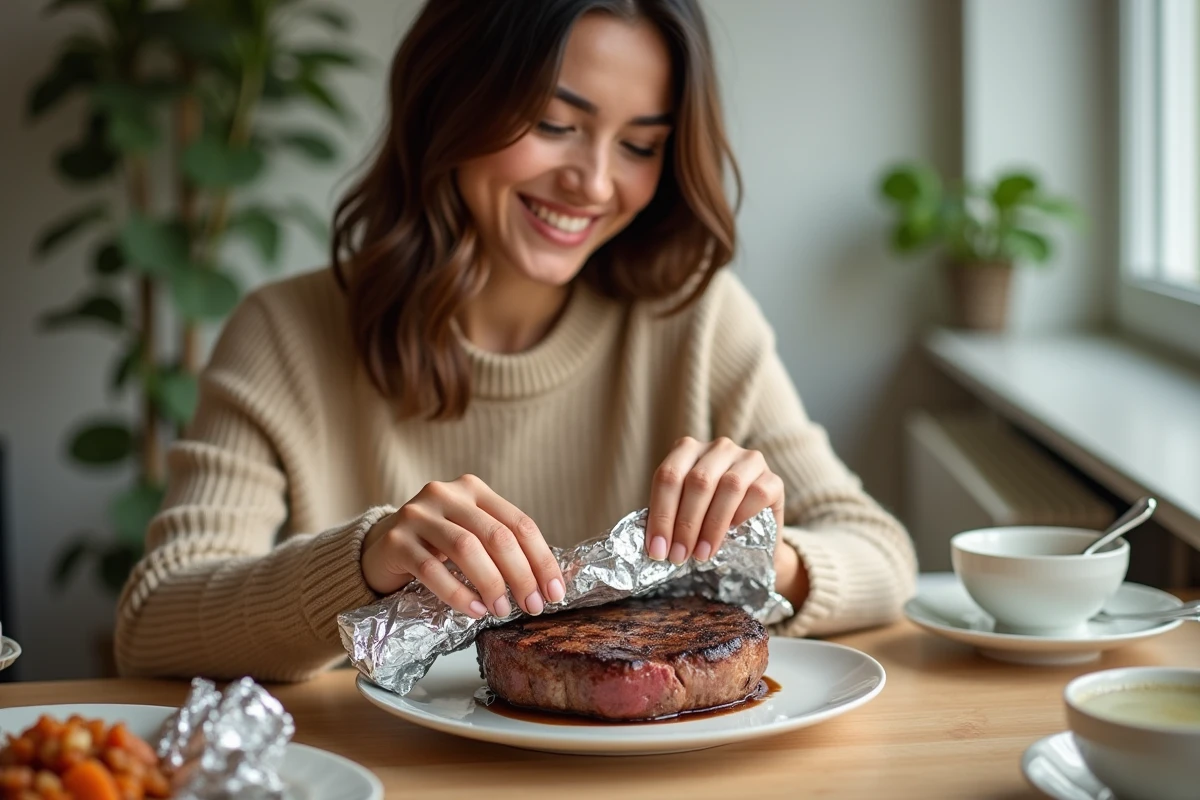
The low-temperature oven is the benchmark: place the ribeye in a dish, cover it carefully with aluminum foil, and let it come back to temperature at 90-110°C for 10 to 20 minutes depending on thickness. This method preserves the juices and maintains the tenderness of the meat.
In a skillet, choose very moderate heat. Melt a bit of butter or pour a drizzle of neutral oil, then briefly sear each side for one to two minutes at most. To enhance the tenderness, baste the meat with a spoonful of sauce or the reserved cooking juices. This simple action preserves moisture and elevates the steak’s flavor.
The air fryer, increasingly popular for reheating steak, requires lowering the temperature and limiting the duration. A few minutes are enough to reheat without damaging the meat.
Here’s a summary of the most effective options for keeping meat tender:
- Low-temperature oven: allows for controlled reheating without shocking the meat.
- Gentle skillet: ideal for a light crust while maintaining a juicy center.
- Sauce or juice: add a bit of liquid to retain moisture and flavor.
For those looking to refine their technique, the detailed tips on how to reheat a cooked ribeye remind us that every action counts in achieving a perfect texture, worthy of freshly grilled meat.
Simple home tips for impressive results every time
A few simple actions, inherited from daily practice, make all the difference when reheating a ribeye. Moisture, first: by placing a dish of hot water in the oven during reheating, the steam protects the meat and prevents drying out. This small detail preserves tenderness, even during extended reheating.
For those who prefer the skillet, take the meat out of the refrigerator and let it come to room temperature, covered with a sheet of aluminum foil, for about twenty minutes before putting it on the heat. This precaution limits thermal shock and ensures more even cooking. During cooking, regularly baste with the meat juices, a knob of butter, or a bit of water: the fat revives the tenderness, while the water maintains muscle hydration.
Some enthusiasts prefer the double boiler method: wrap the ribeye in parchment paper and then aluminum foil, and immerse it in a pot of simmering water. This slow and gradual method is perfect for those seeking tender and juicy meat without any excess heat.
Always monitor the temperature: do not exceed 110°C in the oven, lest you alter the steak’s texture. With these precautions, each piece regains an authentic taste and tenderness that surprises, even after a stint in the fridge.
Between patience, discreet adjustments, and respect for the material, reheating a cooked ribeye becomes an opportunity to rediscover, with every bite, the promise of unblemished pleasure.