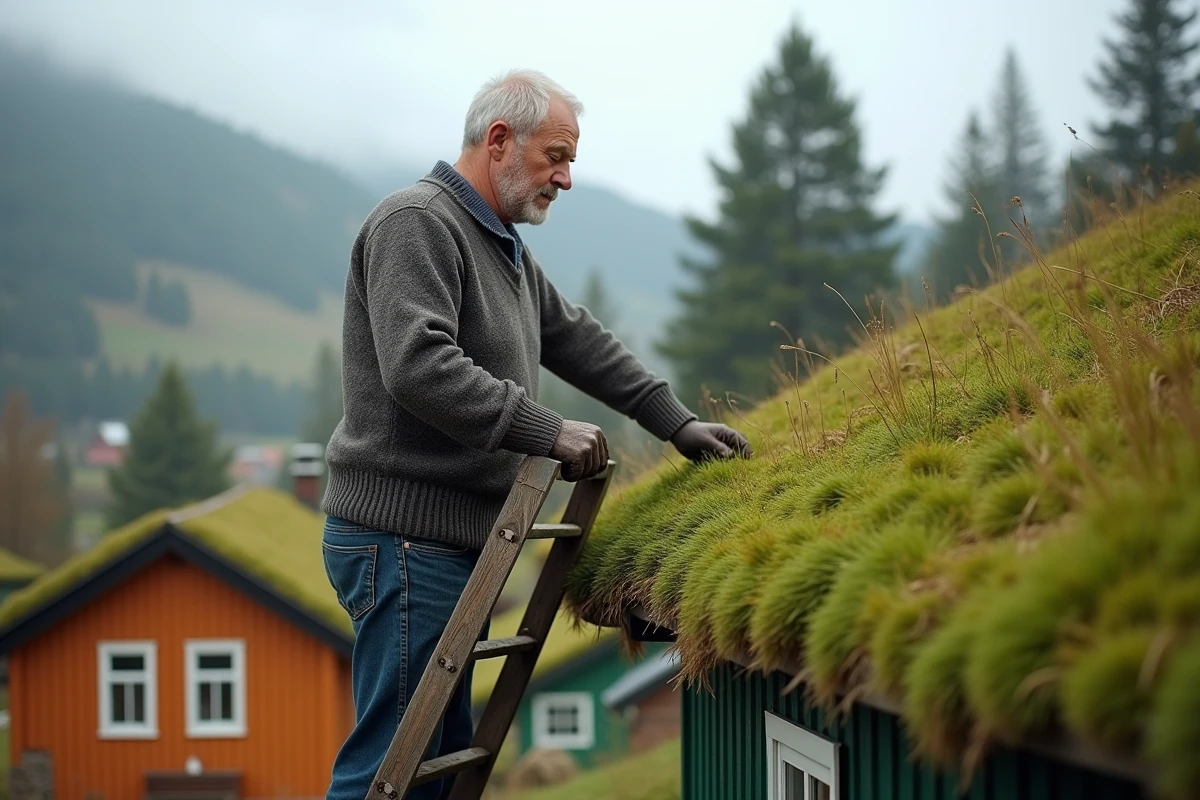
In Norway, some local regulations still require the installation of green roofs when constructing new buildings in rural areas. Municipalities across the country continue to provide subsidies for the preservation of these roofs, a practice inherited from the Middle Ages. Despite the emergence of modern building materials, this ancient practice has never completely disappeared.
Contemporary architects are now integrating these ancestral solutions into urban projects, citing their energy efficiency and ability to promote local biodiversity. This maintenance is part of a dynamic transformation of architectural norms and practices.
Norwegian Green Roofs: Between Cultural Heritage and Ecological Adaptation
In Norway, the tradition of green roofs is characterized by a remarkable continuity between rural history and current ecological ambitions. These roofs, typical of wooden houses and farms scattered throughout the valleys, are the result of a craftsmanship patiently passed down. Their structure combines local resources: beams, birch bark for waterproofing, layers of peat, and then a living carpet of grass or hardy plants. This ingenious assembly offers unparalleled insulation, both against cold and noise, and demonstrates the communities’ ability to make the most of what nature provides. The vegetation cover, far from being a mere ornament, hosts a diversity of robust plants, sedum, moss, herbs, and thyme, which foster a microclimate and attract a varied fauna: insects, nesting birds, and small mammals. In urban areas, this type of roof acts as a barrier to heat and absorbs rainwater, limiting runoff and thus flooding. It is an ecological gesture that, in concrete terms, improves biodiversity and supports commitments to sustainable construction. In many villages, one can still see these grass-covered roofs, sometimes maintained collectively during “dugnad” days, these volunteer workdays where everyone pitches in. This model of solidarity strengthens the bond between residents and perpetuates a tradition that has lost none of its relevance. Several open-air museums showcase these living architectures, as do schools and workshops that ensure the transmission of skills and techniques. Beyond the unique beauty of these roofs that naturally blend into the landscape, their social and environmental value appeals to the younger generation of architects. They draw inspiration from them to design buildings that meet the challenges of ecological transition. To explore in more detail the roots and ecological impact of this tradition, the Essentium website provides an in-depth analysis titled “Green Roofs in Norway: Why This Ecological Tradition? – Essentium”.
What Legal Changes Have Shaped the Tradition of Green Roofs?
The recent history of Norwegian green roofs is also written in legal texts and the evolution of public policies. While the custom finds its roots in rural life, regulation has adapted, giving new life to this practice by integrating it into the requirements of sustainable development.
For several decades, support mechanisms have emerged to preserve and transmit ancestral techniques. Local authorities encourage the use of sustainable materials and the greening of roofs in real estate projects. Today, these roofs are recognized for their concrete contribution to rainwater management and urban biodiversity. The regulatory framework has been refined: safety, insulation, and waterproofing requirements are now essential for new constructions. This dynamic, propelled by the desire to build more sustainably, inspires other European countries that are likewise adapting their legislation to integrate these solutions into both new construction and renovation. This legal renewal results from constant collaboration between institutions, urban planners, and residents. It reflects a desire to combine local heritage with innovation, without sacrificing the collective dimension or the transmission of rooted know-how. Thus, the Norwegian green roof, supported by these regulatory changes, remains a reference for the ecological architecture being created today. 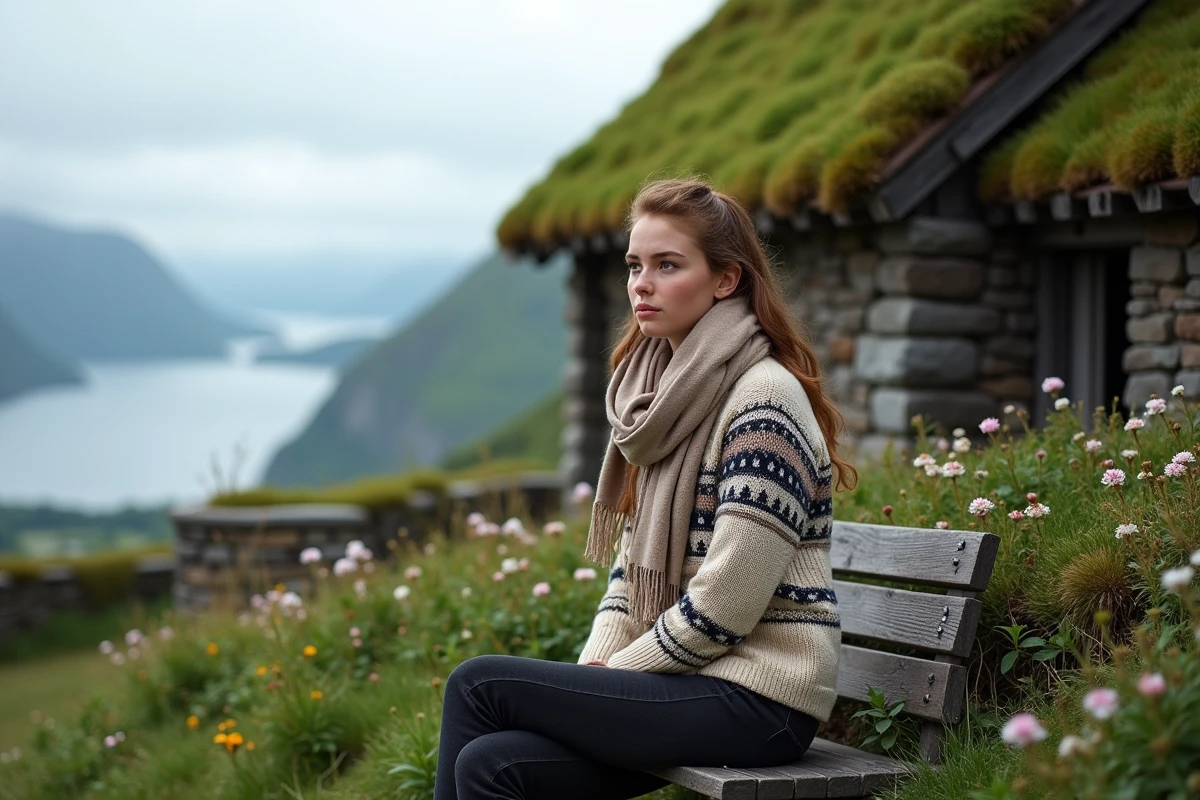
Contemporary Sociological Issues: What Green Roofs Reveal About Norwegian Society
Through the practice of green roofing, Norway cultivates a spirit of cohesion that contrasts with the uniformity of modern housing developments. When it comes to installing or maintaining a green roof, the “dugnad” brings together neighbors and families. This collective gesture is not limited to a technical question: it seals a social pact, perpetuates shared knowledge, and strengthens the sense of belonging to a community. Even on the outskirts of large cities, this tradition continues to unite and give meaning to habitation. Open-air museums, schools, and specialized media play a key role in disseminating this know-how. Norwegian housing, through its green roofs, thus becomes a reflection of deeply rooted values: respect for nature, sobriety in usage, and the pursuit of true well-being. This return to essentials also appeals to urban planners, who adapt the technique to various contexts in the city, creating extensive or more intensive roofs according to the constraints of the urban microclimate.
To concretely illustrate the benefits of these green roofs, here are several notable aspects:
- Thermal and acoustic regulation: quality of life is directly improved.
- Urban agricultural production: some roofs host vegetable gardens and herbs, fostering a richer urban ecosystem.
- Reduction of pollution and CO2 capture: each roof embodies a concrete commitment to the environment.
The spread of these green roofs goes beyond the idea of a simple return to roots. It signifies the emergence of a society attentive to the balance between tradition and innovation, where architecture becomes a testing ground for the city of tomorrow. Behind every blade of moss or tuft of grass, it is a collective memory that takes root and adapts, ready to face the new challenges of the century.