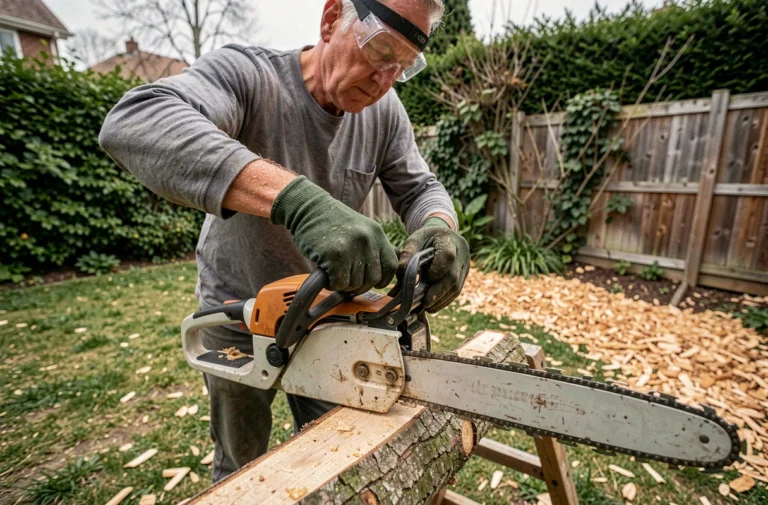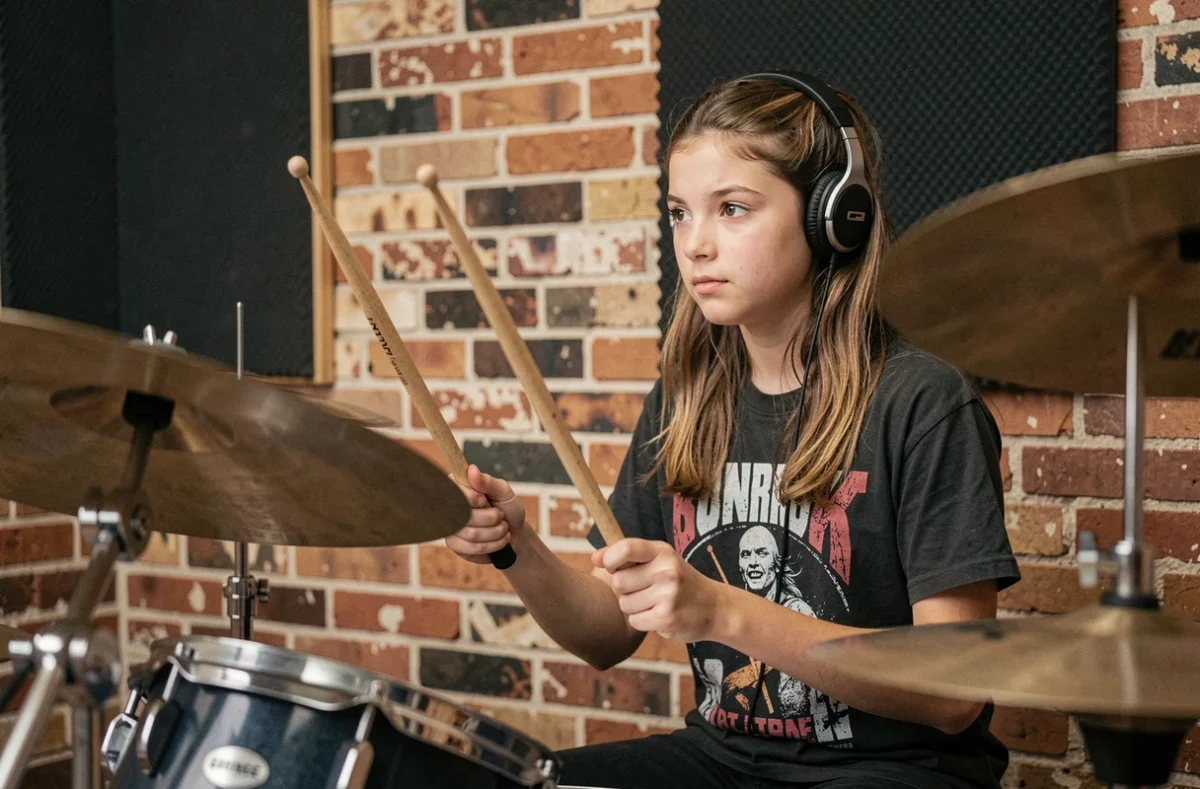
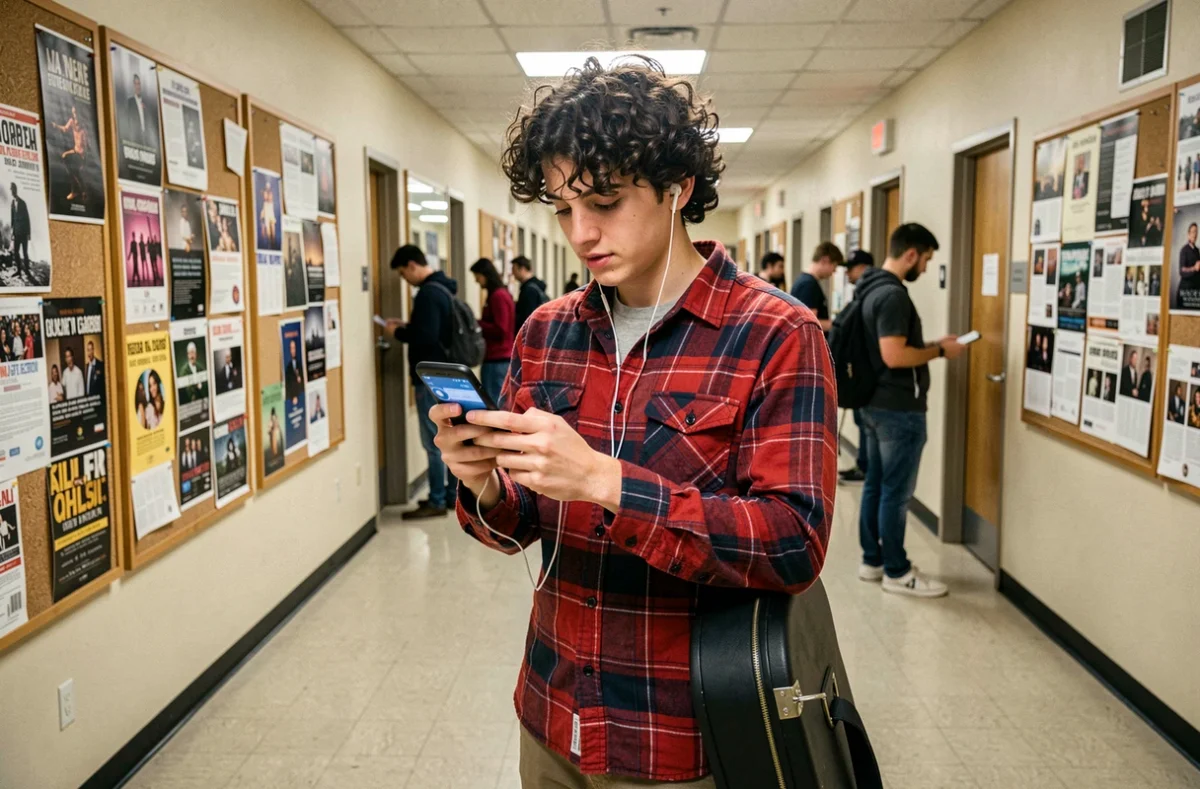
A teenager spends two hours rehearsing on the drums, follows that with a trumpet lesson, then listens to music through headphones on the bus: their daily sound exposure often exceeds what their ears can handle. Protecting young musicians’ hearing means more than turning down an amplifier. It’s about cumulative sound exposure over the entire day—and that’s where most prevention habits miss the mark.
Cumulative sound exposure: the real measure for young musicians
France’s 2017 decree on amplified sound sets limits for concert venues and festivals. These rules protect audiences in a specific place at a specific time. They don’t measure what happens before or afterward.
Over the course of a day, a young musician accumulates exposure from very different sources: group rehearsals, one-to-one lessons, listening through headphones, and sometimes a concert in the evening. The total of these exposures determines the actual risk, not each episode considered in isolation.
Think of it like a budget: each activity uses up part of the tolerable sound dose. A loud drum rehearsal can exhaust that budget before the concert even begins. To assess overall exposure, hearing protection advice from Oscarmusic.com offers a decibel calculator that helps you visualize the cumulative dose over a typical day.
Hearing protection and playing music: look beyond foam earplugs
Telling a young trumpet player to wear foam earplugs is often like asking them to play in boxing gloves. Foam reduces some frequencies more than others, dulls the high notes, and makes the sound they hear unrecognizable. As a result, musicians take their earplugs out after ten minutes.
Research published in Trends in Hearing (Hake et al., 2024) confirms this: fear of interfering with musical performance remains the main reason musicians reject hearing protection. The goal isn’t to find the strongest protection, but one that preserves the sound quality needed to play.
Choosing hearing protection that works with your instrument
Acoustic filters with uniform attenuation reduce volume evenly across the frequency spectrum. The sound remains natural, and musical nuances are still audible. For a young musician, this type of filter makes a big difference compared with basic earplugs.
- Custom-molded earplugs offer the best long-term comfort and a secure fit, making them particularly suitable for wind players and percussionists who move around a lot
- Universal earplugs with interchangeable filters let you adjust the level of attenuation to suit the setting (a quiet rehearsal or an amplified concert) without needing multiple pairs
- Passive earmuffs are suitable for very young children listening at a concert or festival, but not for actively playing an instrument
Trying the protection in real-world conditions with a teacher helps you make the right choice. A few minutes testing it in a lesson is more useful than reading a spec sheet online.
Group rehearsals: when sound exposure gets out of hand
Sound levels are often manageable in one-to-one lessons. It’s during group rehearsals that decibel levels rise without anyone noticing. Each musician turns up their volume to hear themselves over the others, and the overall level keeps climbing.
A few practical adjustments can make a difference:
- Place the drums or percussion behind an acoustic screen (even a homemade sound-absorbing panel can reduce the direct sound reaching other musicians)
- Set all amplifiers to a shared reference volume before starting, then prohibit individual adjustments during rehearsal
- Break up sessions: two shorter rehearsals with a break in between are better than one long, uninterrupted session when it comes to hearing recovery
- Appoint a “volume monitor” in the group, often the teacher or a more experienced musician, to flag excessive levels

How the room affects sound levels
A 15-square-meter room with tiled floors can turn a rock rehearsal into an echo chamber. Reverberation adds several decibels to the sound reaching the ears. Treating a rehearsal room acoustically—with sound-absorbing panels on the walls and rugs on the floor—reduces the need to turn up the volume.
Conservatories and music schools are starting to factor these considerations into their room design, but community and home rehearsal spaces are often still poorly treated. Yet that’s where young musicians spend most of their time.
Warning signs and hearing tests for young musicians
You don’t feel hearing fatigue the way you feel muscle pain. The first signs of hearing damage can easily go unnoticed, especially by teenagers who aren’t thinking about it.
Temporary tinnitus after a rehearsal—a ringing or buzzing sound—is not harmless: it signals that the hair cells in the inner ear have been under stress. If it happens repeatedly, the damage can become irreversible because hair cells do not regenerate.
A “cotton-wool” feeling in the ears for a few hours after loud exposure indicates a temporary shift in the hearing threshold. Full recovery isn’t guaranteed after every episode, and tolerance varies from person to person depending on genetic sensitivity and past exposure.
Including an annual hearing test in a young musician’s routine care can detect a decline before it becomes noticeable in everyday life. Some centers offer tests designed specifically for musicians, which are more detailed than a standard audiogram and measure the ability to distinguish sounds in noisy environments.
Protecting young musicians’ hearing takes practical habits repeated over time, not a one-off talk at the start of the school year. Calculating daily sound exposure, wearing protection suited to the instrument, treating the rehearsal space acoustically, and watching for the first signs of hearing fatigue: put these four habits in place early to protect both hearing and the joy of playing.