
Robustness, a concept still marginal in mainstream content, has become the central marker of successful aging in French geriatrics. It is not limited to the absence of disease: it refers to an organism’s ability to withstand a health setback (fall, infection, hospitalization) without slipping into dependency. Understanding this concept changes the way we approach prevention in seniors and guides concrete choices in daily life.
Geriatric Robustness: The Criterion Ignored by Traditional Health Assessments
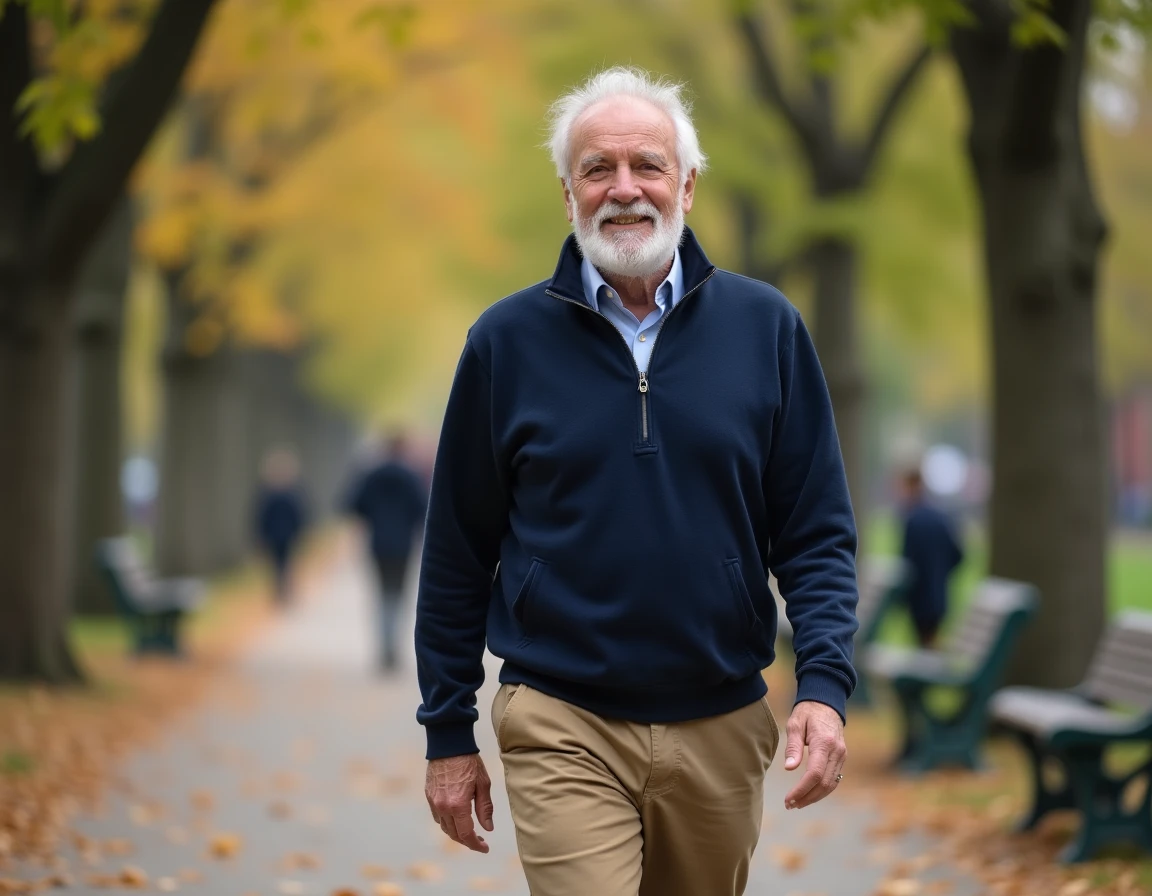
A normal blood test and controlled blood pressure do not guarantee that a 70-year-old will recover from a hip fracture without losing autonomy. Robustness encompasses several simultaneous dimensions: muscle strength (especially in the lower limbs), quality of postural balance, depth of sleep, nutritional protein status, and social network density.
Fall prevention and autonomy loss programs used in France now combine these parameters into a comprehensive assessment. We observe that this multidimensional approach detects fragilities invisible to standard medical examinations, sometimes several years before a triggering event occurs.
In practical terms, a senior who maintains sufficient muscle mass, sleeps well, and regularly sees their loved ones is better able to withstand a severe flu or a surgical operation than a sedentary individual with identical biological analyses. To explore available resources, seniors on Le Senior des Années address this topic from several practical angles.
Social Connection and Life Expectancy: What the Harvard Study of Adult Development Confirms
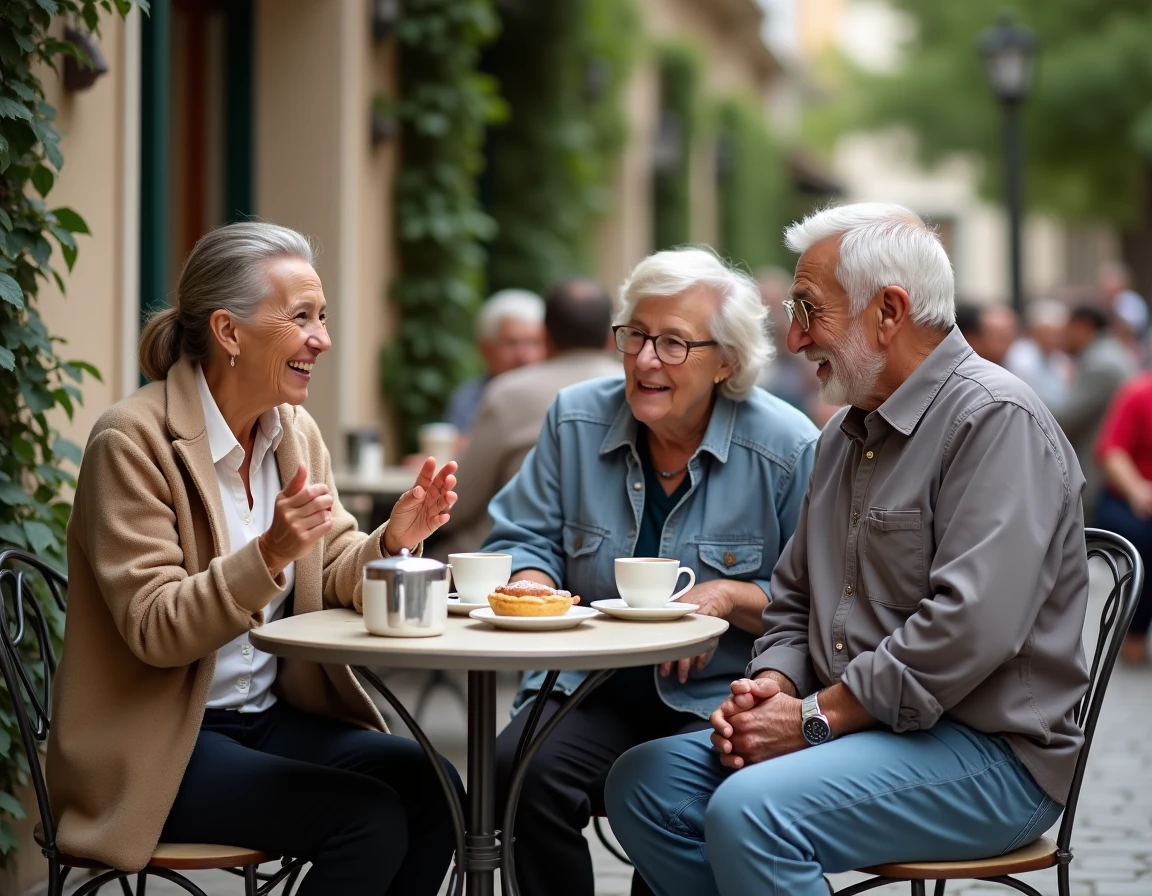
The quality of social relationships predicts longevity better than income or education level. This finding, derived from the Harvard Study of Adult Development and regularly updated, disrupts the usual hierarchy of advice for aging well. Traditional content places physical activity and diet at the top. Long-term data place social connection above.
This does not mean that moving or eating properly is secondary. The study also identifies weight stability, absence of smoking, and adaptability as significant factors. However, an isolated senior who meets all hygiene and dietary criteria ages less well than a socially connected senior with some dietary lapses.
Isolation and Risk of Cognitive Decline
Chronic isolation accelerates cognitive decline through several mechanisms: reduced intellectual stimulation, disruption of the wake-sleep cycle (fewer reasons to get up early), impoverished diet (cooking for oneself can be discouraging). We recommend treating social connection not as a comfort supplement, but as a prevention lever on par with physical activity.
Local associations, group activities in community centers, or intergenerational programs remain the most accessible tools. The issue is not the quantity of contacts, but their regularity and emotional quality.
Home Care: Why the Occupational Therapist Changes the Game
Home modifications are often reduced to installing a grab bar in the shower. In practice, the intervention of an occupational therapist has become a cornerstone of home care for seniors. This professional assesses all daily activities (getting up, cooking, accessing mail, taking out the trash) and identifies specific points of functional breakdown for each home.
Their role goes beyond recommending equipment. They reorganize circulation paths within the home, adjust countertop heights, and suggest targeted lighting to reduce the risk of nighttime falls. This tailored approach avoids standardized solutions that do not match the actual configuration of the living space.
Priority Areas for Modification
- The bathroom remains the most frequent fall location: replacing the bathtub with a walk-in shower, non-slip flooring, foldable wall-mounted seat
- Lighting in transition areas (hallway, stairs, door threshold) should be automated with motion detectors to secure nighttime movements
- Bulky furniture obstructing circulation paths is an underestimated risk factor: clearing a passage of at least one meter significantly reduces incidents
Alcohol and Tobacco After 65: Different Risk Thresholds
The metabolism of alcohol slows with age. A consumption level similar to that tolerated at 40 years old has more pronounced effects on balance, alertness, and drug interactions in seniors. Usual risk thresholds no longer apply after 65, especially under anticoagulant or anxiolytic treatment.
Tobacco, even in small amounts, accelerates the natural loss of respiratory capacity that comes with age. This reduction in breath gradually limits physical activity, creating a vicious cycle: less movement, muscle loss, weakened balance, increased fall risk.
Cross-Monitoring of Chronic Diseases
Alcohol and tobacco interact with common conditions in seniors: diabetes, hypertension, kidney failure. Monitoring these consumptions is part of the overall geriatric assessment, alongside blood pressure or glucose monitoring. Prevention is not limited to total cessation: even modest reductions yield measurable benefits on quality of life and overall robustness.
- Alcohol enhances the sedative effects of many medications prescribed to seniors, increasing the risk of falls
- Tobacco decreases the absorption of certain nutrients (vitamin C, calcium), worsening bone fragility
- The combination of alcohol and tobacco multiplies the risk of certain cardiovascular diseases in a nonlinear manner
Aging healthily relies less on a list of prohibitions and more on a clear arbitration between physical robustness, relational quality, and adaptation of the living environment. Seniors who combine a secure home environment, regular social connections, and vigilance over their risky consumptions maintain their autonomy longer, regardless of their genetic profile.